Press kit
An ecosystem built around an open standard.
TigerSystem is the apps, the hardware and the public registry that let any spool of filament carry its own identity — read with a tap. At its heart is TigerTag, an open, neutral NFC standard that eight filament manufacturers already embed in the spools they ship. The ambition: become to 3D-printing materials what the barcode became to the shelf.
About TigerSystem
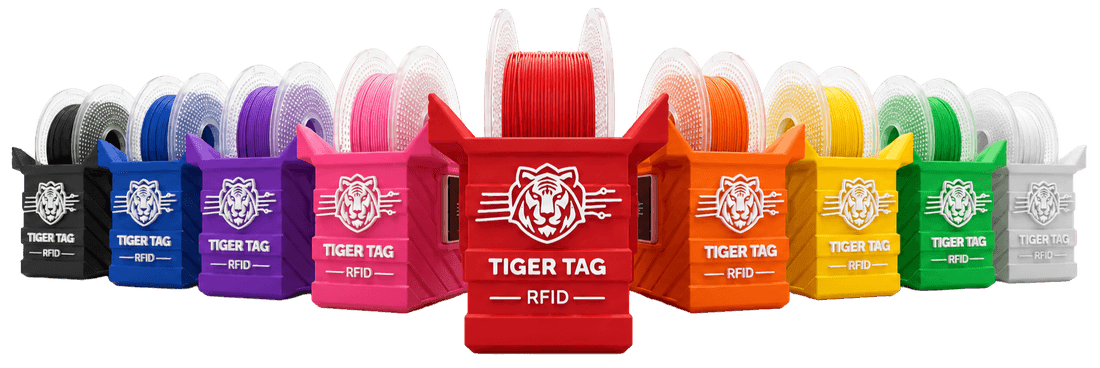
TigerSystem is an open ecosystem that gives every spool of filament — and soon resin containers — an identity, and the tools to use it. The identity itself is TigerTag, a brand-agnostic NFC standard read with a tap by any NFC phone and delivered to the printer by the apps; around it sit a free desktop app and a mobile app, connected hardware, and a public registry. Eight filament manufacturers — Rosa3D, eSun, Sunlu, Landu, Jamg He, R3D, Filforme, Nanovia — already embed it in the spools they ship, with more being integrated.
By the numbers
- Deployed worldwide
- 2,500,000+ chips already in the field — the most deployed third-party RFID protocol in the world
- Already in spools from
- Rosa3D, eSun, Sunlu, Landu, Jamg He, R3D, Filforme, Nanovia — 8 factories, more being integrated
- Independent integrations
- OpenRFID · Spooly Tracker · Snapmaker U1 community firmware (native TigerTag reading)
- The identity layer
- TigerTag · TigerTag+ · TigerData
- The tools
- Tiger Studio · Tiger NFC Connect · TigerPOD · TigerScale
- The standard
- Open NFC protocol · public registry · reads with any phone
- Programming speed
- ~1 second per chip — thousands of spools a day, one click (TigerTag Factory)
Neutral by design
TigerSystem is neutral and agnostic — toward every filament brand, every printer maker, every distributor. Our mission is to promote innovation across 3D printing, without judging or fighting anyone. For any manufacturer that would rather not build and maintain a proprietary standard of its own, we offer a ready-made, open alternative the whole industry can share.
A word to manufacturers
Filament makers
Put TigerTag in your spools and you ship something more capable than a chip tied to a single printer brand: it works in every printer, proves its own origin, lives in a public registry, and arrives inside apps your customers already use. Burned the wrong temperature into 50,000 spools? Correct it in TigerTag Manager and every spool already on a shelf shows the new value. Produced at industry scale — which is exactly why it costs so little, and a production line can be running with TigerTag in as little as 5 days.
Read the manufacturer case →Printer makers
Not every printer maker wants to build and maintain a chip of its own. TigerSystem is the open, neutral alternative: one standard that reads any brand's filament and loads the right settings automatically, so a spool just works in your machine — whoever made it. Six printer brands are already supported, adding TigerTag reading to your firmware takes under 3 days, and it stays yours to adopt on your own terms.
Start a conversation →The ecosystem
TigerTag is the identity. Around it sit the tools that make it useful.
TigerTag
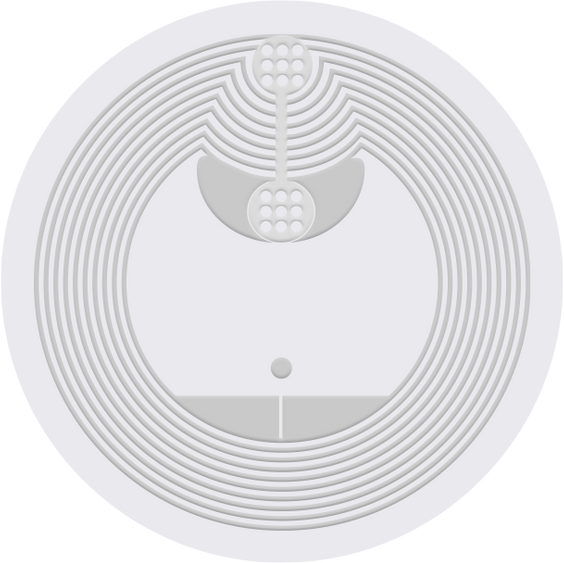
The open NFC standard — 100% offline. A spool's identity, read with a tap by any NFC phone and delivered to the printer by the apps.
TigerTag+
The same chip plus a correctable online layer: fix a temperature or add a datasheet months after the spools shipped, and every app picks it up.
TigerData
No chip at all — track a spool in the app anyway, for filament that never got a tag.
Tiger Studio · Tiger NFC Connect
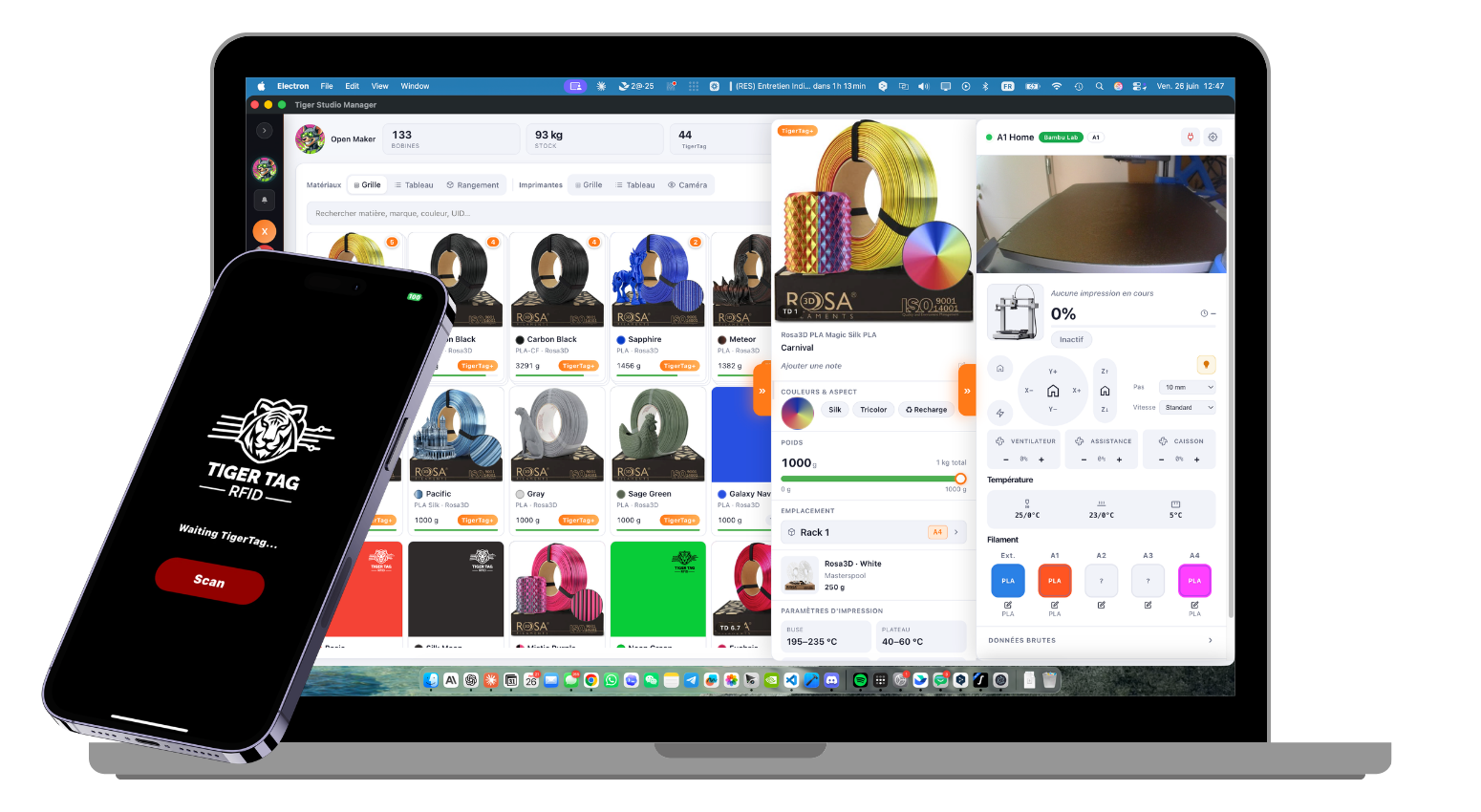
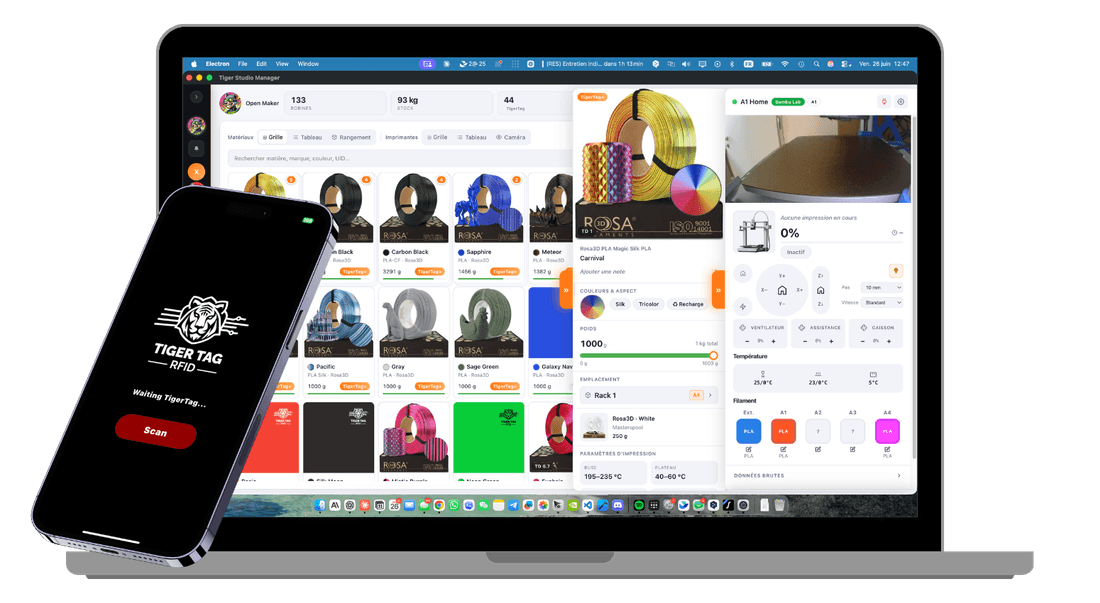
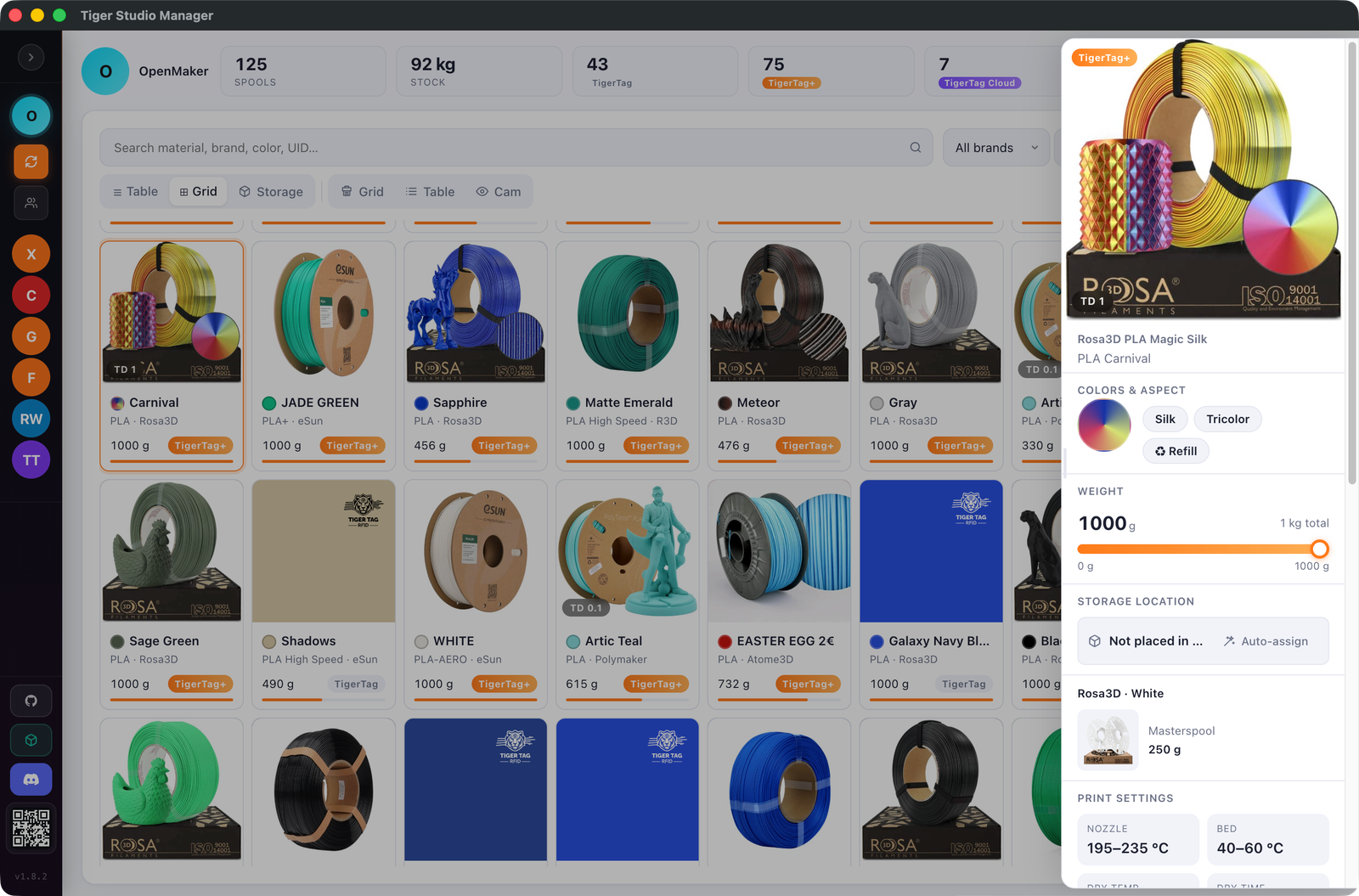
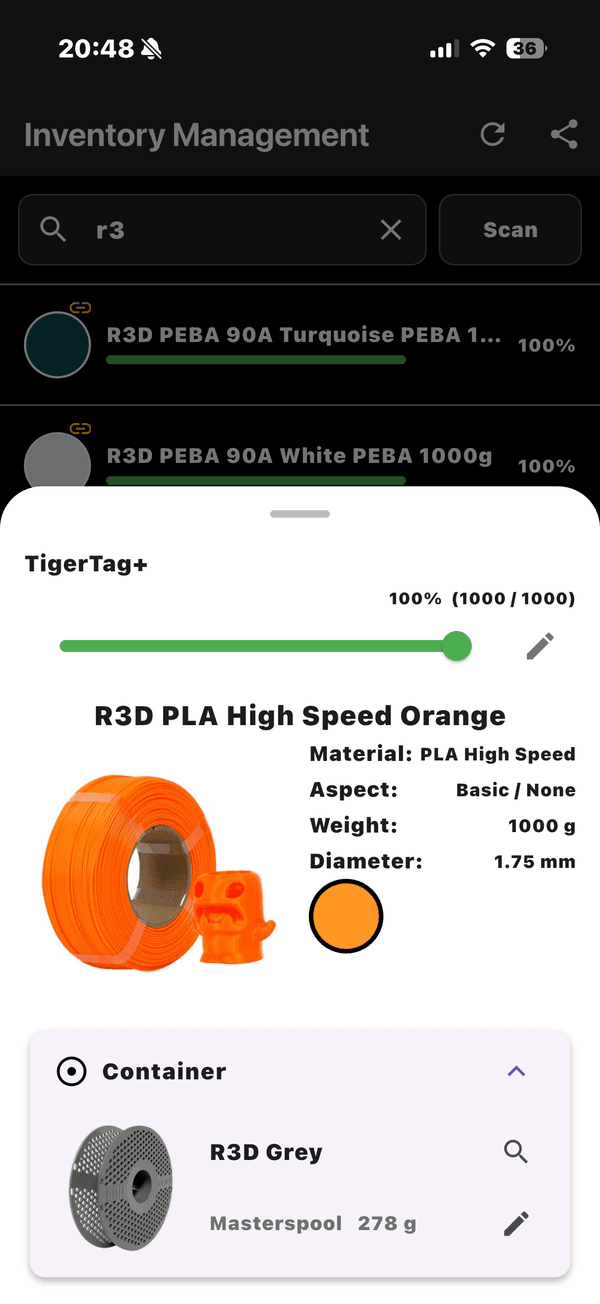
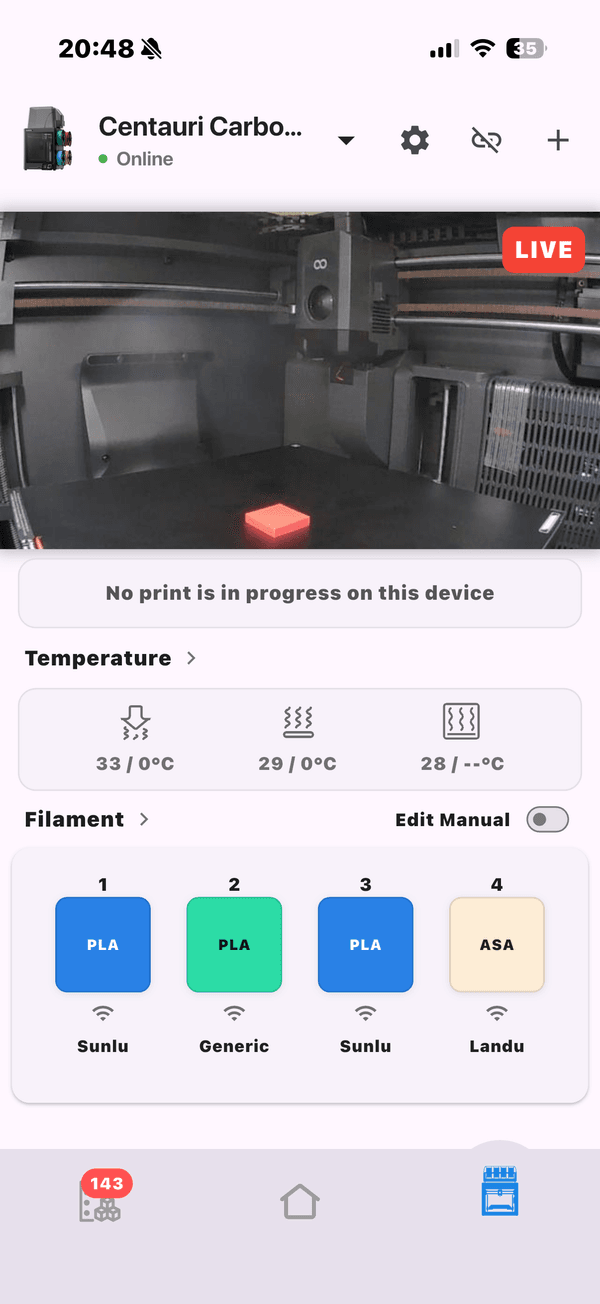
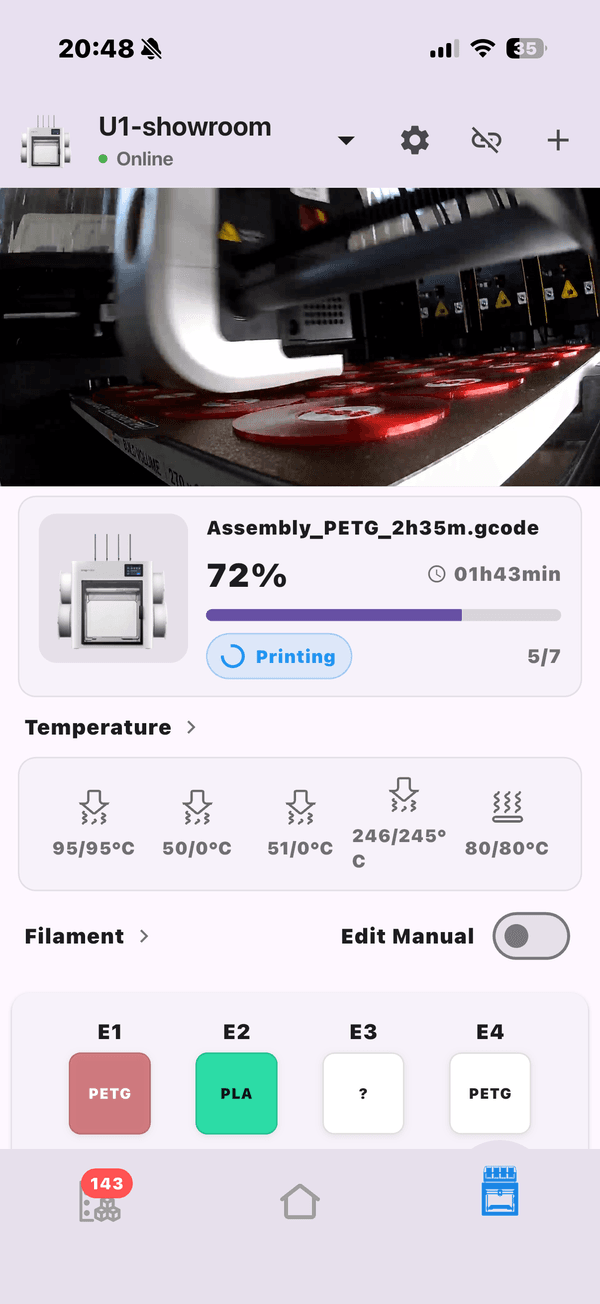
A free desktop app that manages your printers and filament, and a phone app that reads a spool with its own NFC.
TigerPOD · TigerScale
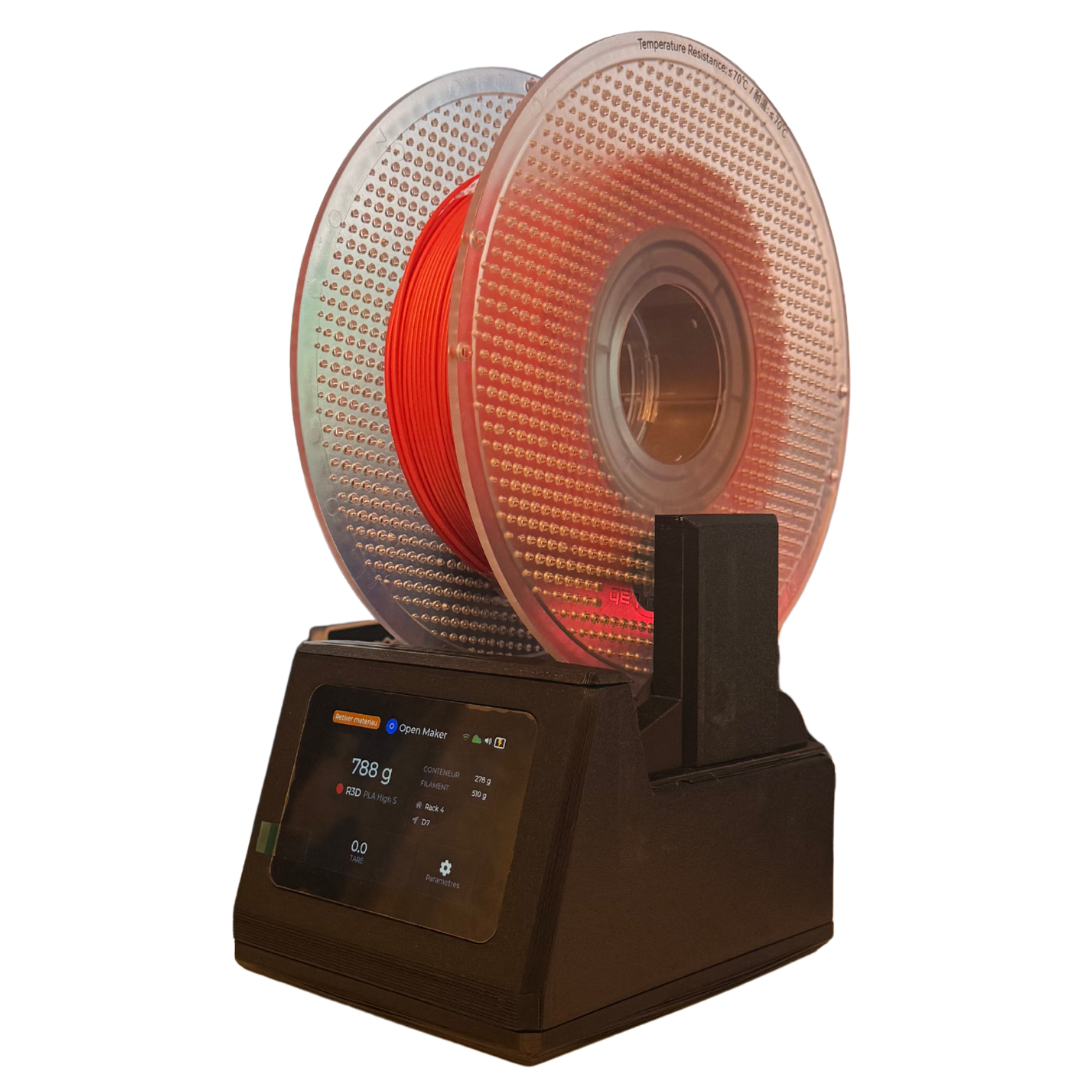
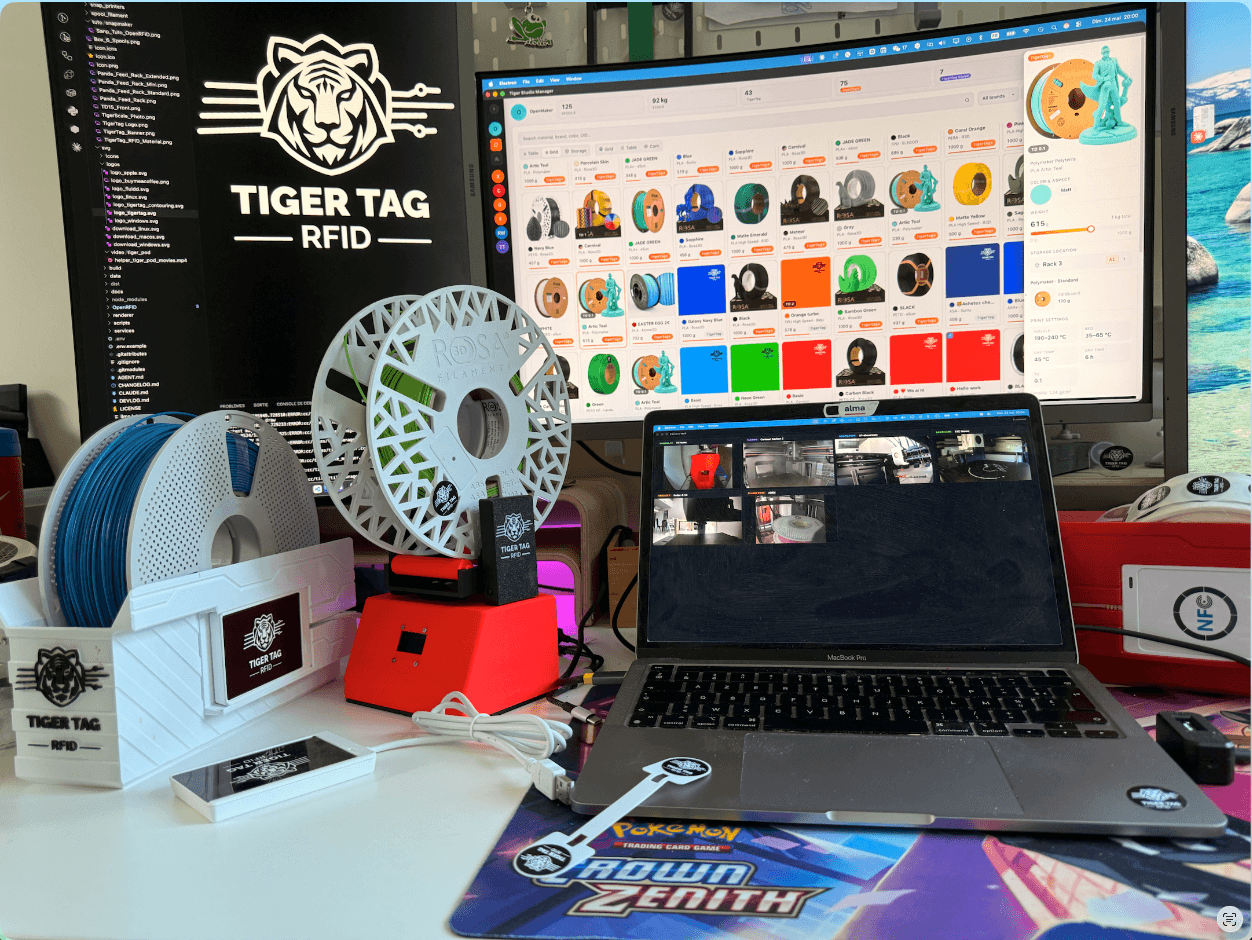
A reader that reads and rewrites spools, and a connected scale that follows how much filament is left.
Public registry
A globally unique identity, written at the factory and free for anyone to read — the reason it can become a standard.
TigerTag Factory · TigerTag Manager
The factory side: TigerTag Factory writes a chip in about a second on the line; TigerTag Manager holds the catalogue and pushes corrections to spools already shipped.
TigerTag SDK — JS · Python
SDKs in JavaScript and Python — read and write TigerTags from your own code, straight from the public GitHub.
Open, and provable
Don't take our word for it — the protocol, the SDKs and the hardware designs are all public on GitHub.
Brand assets
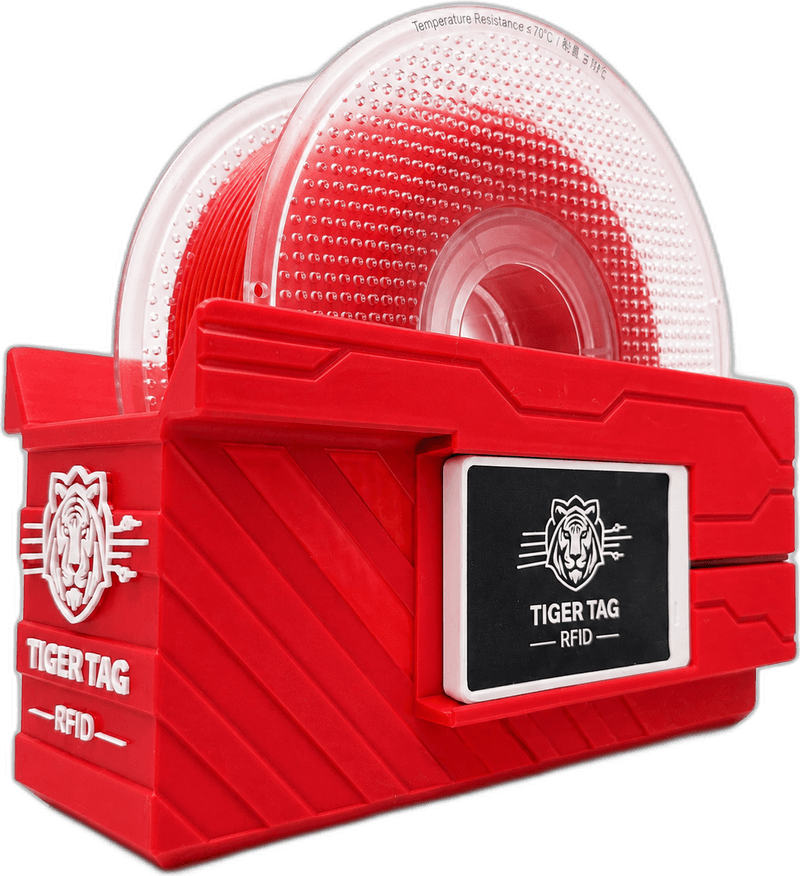
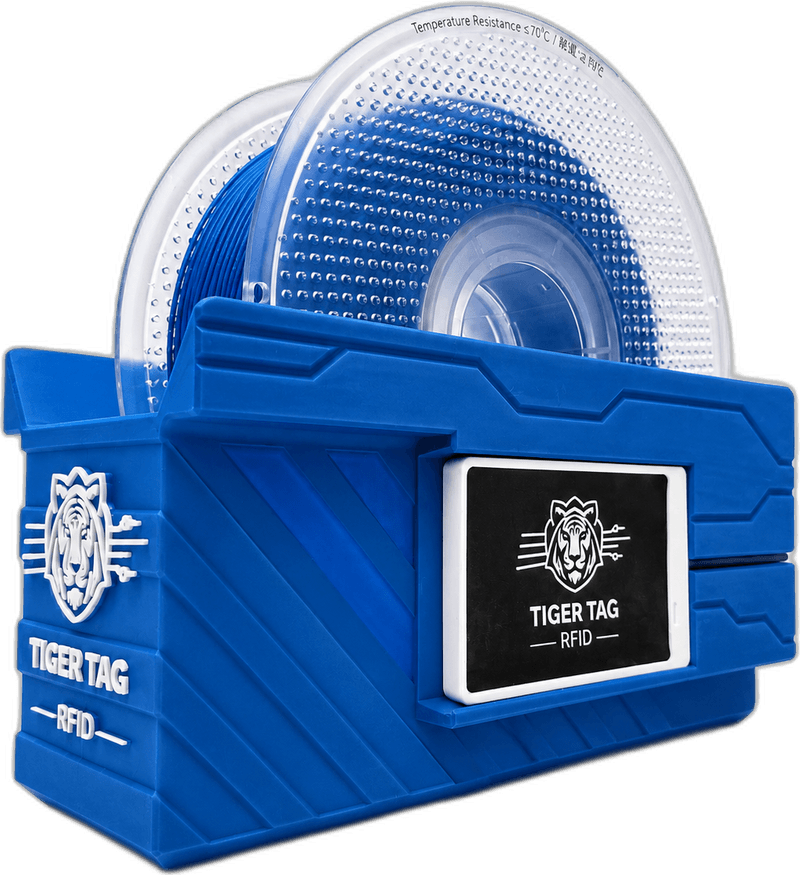
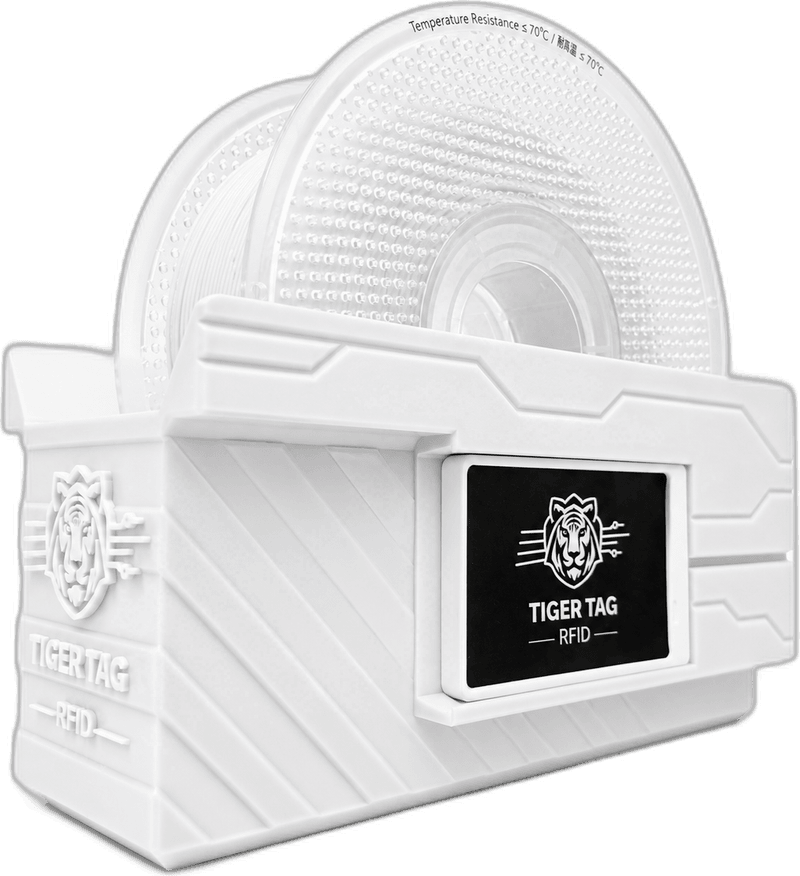
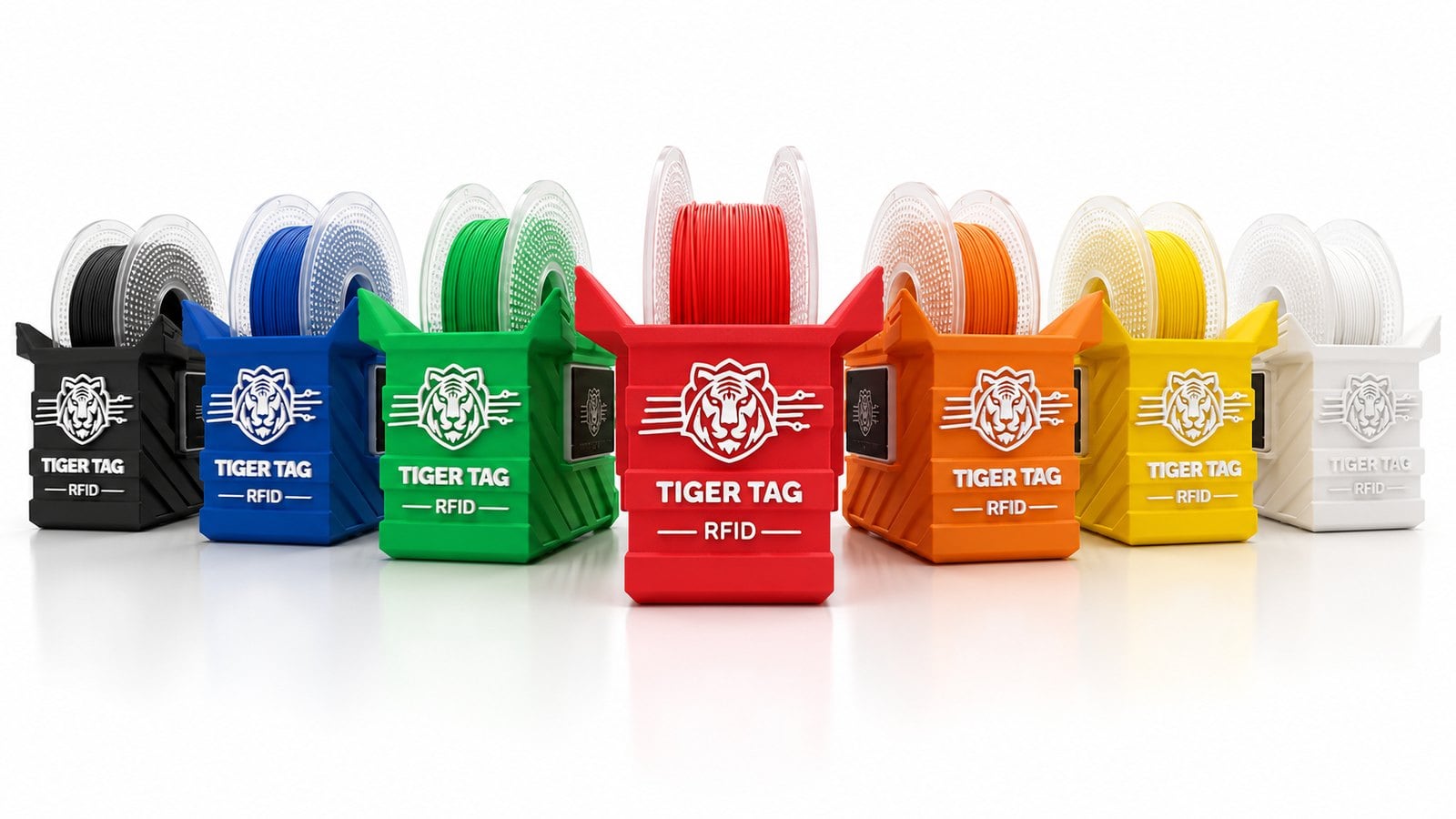
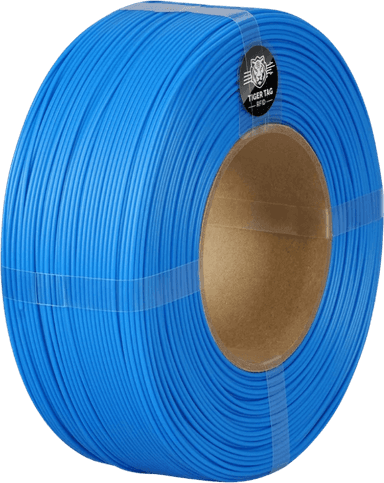
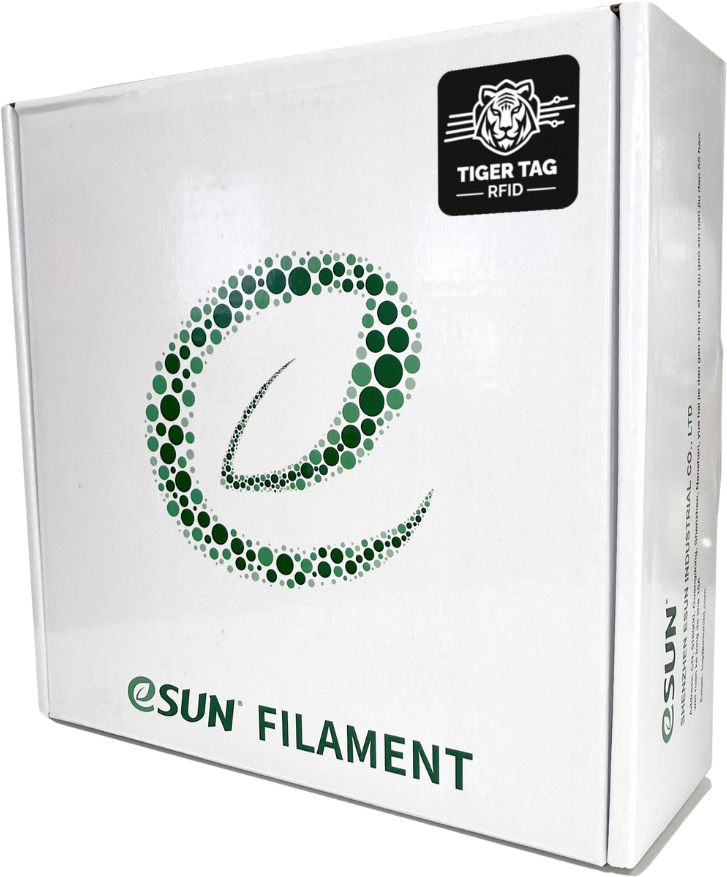
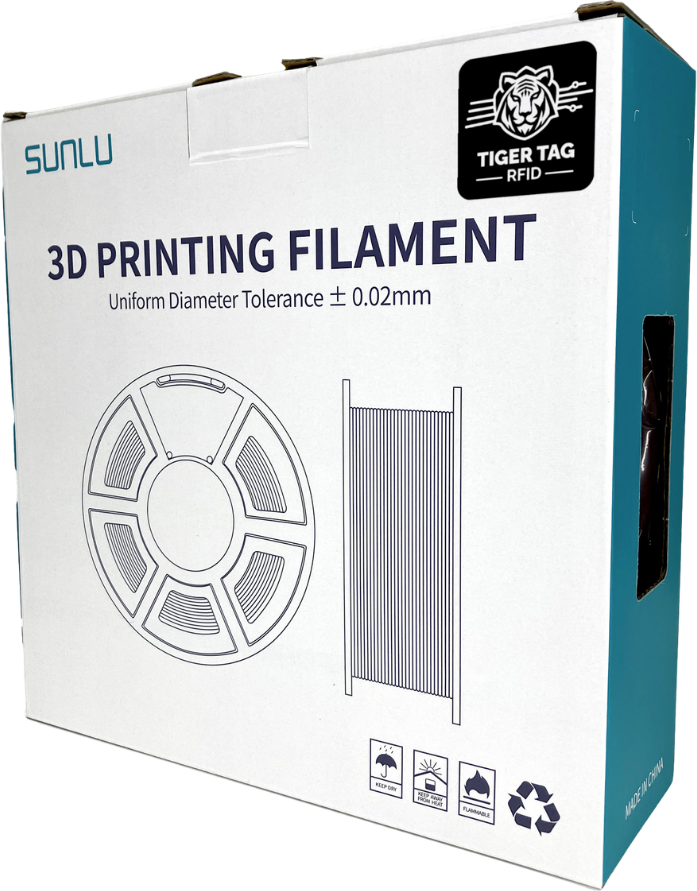
Logos, product renders and app screenshots — download what you need. Please keep the marks intact; usage notes are below.







Media kit — ready to use
Neutral marks, product photos and the scan animation — drop them straight into an article or a video. Same rule: don't alter the marks.


Colours
#ff7a18#e6352b#0a0b0fUsing the name and logo
Do
- Say “compatible with TigerTag” for any product that reads or writes the tag.
- Give the logo clear space and place it on a contrasting background.
- Call it an open standard — the protocol is free for anyone to implement.
Don't
- Don't say “this is a TigerTag” unless it's a certified partner tag.
- Don't recolour, stretch or redraw the logo.
- Don't imply a partnership that isn't in the certified registry.
Press contact
Writing about the standard, or need higher-resolution assets? We're glad to help.